

When a school gate closes for the final time, there’s a subtle sadness to it. The slow kind, the kind that takes over a town and transforms it, is more devastating than the dramatic kind that makes the front pages for weeks. Ramsgate is currently coping with that. In what seems like a single news cycle, St. Lawrence College, an independent Christian school located on the Kent coast since 1879, has appointed administrators and closed its doors to the majority of its approximately 500 students, ending 146 years of operation.
On a weekday morning, you would typically hear the typical sounds of school life as you stroll past the school’s red-brick buildings: distant whistles from the playing fields, the rattle of bicycles, and the low hum of parents lounging at the gates. Much of that is gone now. The only students who will be helped all the way to the finish line are those in years 11 and 13, who have exams this summer. Somehow, everyone else is being assisted in finding a new location.
The story is fairly clear from the numbers. Last year, the college earned £12 million while spending £13.3 million. By corporate standards, that gap is not catastrophic, but for a school that depends on donations and fees, it is the kind of deficit that grows rapidly. Joint administrators Philip Watkins and Philip Armstrong of FRP have been appointed. A total of 166 workers have been laid off. There are forty-four left, just enough to get the kids through exam season.
According to the school’s own statement, there are a number of well-known pressures, including dwindling student enrollment, growing operating expenses, general economic uncertainty, and—possibly most importantly—the implementation of VAT on school fees. The independent sector believes that the new variable, which is the last one, has pushed a number of already precarious institutions over the edge. The number of private school closures that have occurred in Kent alone over the past two years is still unknown, but the trend is beginning to resemble a quiet sorting of the industry rather than a coincidence.
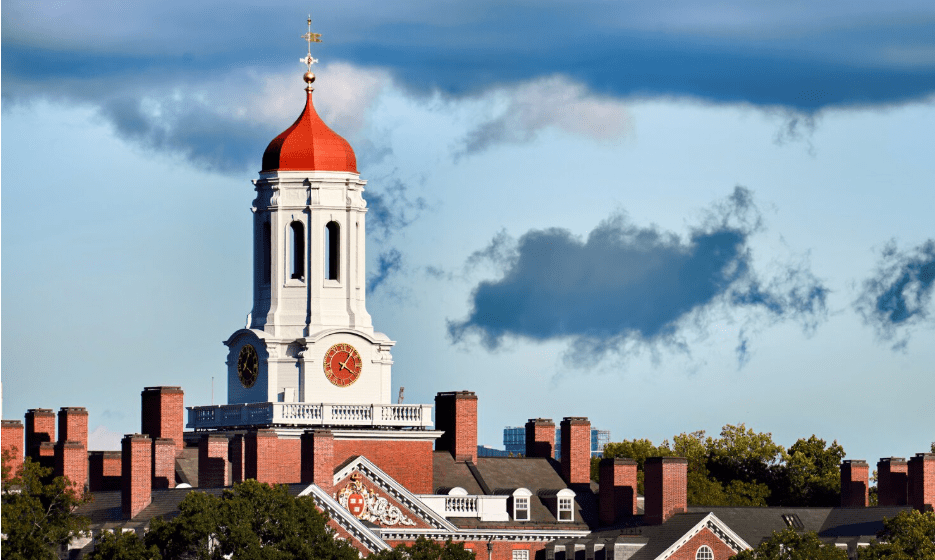
The length of St. Lawrence College’s history is what makes its closure feel especially painful. The school existed before the automobile. It withstood the Spanish flu, two world wars, the British boarding tradition’s collapse in the 1970s, and the severe recession of the early 1990s. It has served Ramsgate families for generations. The chair of governors, Graham Carter, described the closure as “incredibly sad,” and you can hear the tone of someone who has obviously spent months attempting to craft a different conclusion. According to the school, it looked into conversations with possible acquirers and partners. It was all ineffective.
When reading about closures such as these, there is a temptation to reach for grand narratives, such as the demise of private education, the price of policy decisions, or the evolving nature of childhood in Britain. Perhaps all of that is partially accurate. The more truthful reading, however, may be more modest and depressing when viewed from a distance. A single poor year, a change in policy, or a decline in the student body can completely ruin a school like St. Lawrence. Quietly, the economics were never stable. It wasn’t until it was too late that the community realized how dangerous it was.
The abstract argument hardly matters to the families who are currently frantically trying to secure spots at nearby schools. Whether their child will take GCSEs in a familiar or unfamiliar room is what counts. if they can stay in contact with teachers they have known for years. If a small town loses one of its oldest institutions, will its rhythm be able to cope? Most likely, there are conflicting responses. It’s also difficult to ignore the fact that no one is currently providing any assurance that this will be the final closure of its kind.
London Bilingualism's content on health, medicine, and weight loss is solely meant for general educational and informational purposes. This website does not offer any diagnosis, treatment recommendations, or medical advice.
We consistently compile and disseminate the most recent information, findings, and advancements from the medical, health, and weight loss sectors. When content contains opinions, commentary, or viewpoints from professionals, industry leaders, or other people, it is published exactly as it is and reflects those people's opinions rather than London Bilingualism's editorial stance.
We strongly advise all readers to consult a qualified medical professional before acting on any medical, health, dietary, or pharmaceutical information found on this website. Since every person's health situation is different, only a qualified healthcare provider who is familiar with your medical history can offer you advice that is suitable for you.
In a similar vein, any legal, regulatory, or compliance-related information found on this platform is provided solely for informational purposes and should not be used without first obtaining independent legal counsel from a licensed attorney.
You understand and agree that London Bilingualism, its editors, contributors, and affiliated parties are not responsible for any decisions made using the information on this website.
