

On most afternoons, you can watch the future of advertising being filmed on a phone leaning against a bottle of ketchup at a small café on Whitechapel Road. The twenty-two-year-old girl behind the camera addresses her fans in English for the first eight seconds before switching to Sylheti for the joke. The proprietor of the café no longer looks up. This month, he has witnessed it a hundred times.
Nobody really anticipated this aspect of London’s creator economy. Notting Hill’s mega-influencers continue to appear on magazine covers, but the real money is increasingly going to the bedrooms and back kitchens of Southall, Peckham, and Tower Hamlets, where bilingual twenty-somethings are subtly turning into the most effective marketing channel a company can purchase. The Soho agencies might not have caught up completely yet. A few of them have. The majority are acting as though they have.
To be honest, the math is unfair. A single creator who can switch between Punjabi and English can reach two audiences that would otherwise require a brand to sign three different contracts. According to statistics circulating in the trade press, native fluency outperforms dubbed or auto-translated content by about four times, and audiences have become unforgivably adept at spotting a fake. Speaking with those who book these campaigns gives me the impression that the era of dubbed content is basically over. AI made it inexpensive before making it clear.
The rise feels more natural, which is stranger. No one decided that London would turn out this way. More than 300 languages are spoken in the city’s schools, making it one of the most linguistically diverse places on earth. TikTok’s algorithm began rewarding creators who could maintain attention in two of these languages, regardless of national boundaries. In the morning, a skincare review that was shot in Wembley and switched to Gujarati halfway through ends up in Ahmedabad living rooms. This may not be known by the creator. She just realizes how amusing her view count is.
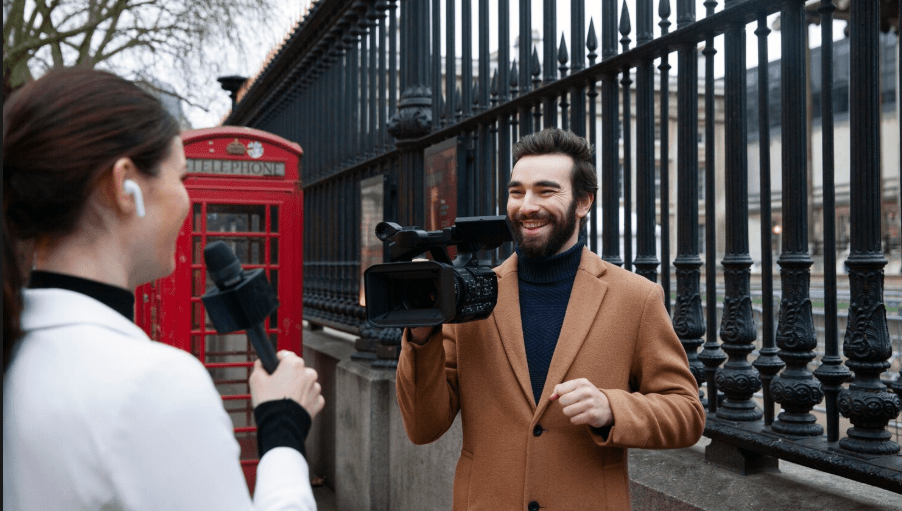
All of this has slippery numbers attached to it. For an integrated post, a mid-tier bilingual creator with 200,000 followers can easily charge between £1,200 and £6,500. The more well-known ones, especially in the South Asian and West African beauty space, are earning amounts that would have seemed unreal three years ago. It is no longer noteworthy for a small Ilford bedroom to earn £40,000 every quarter. Even those who have witnessed it find it a little boring.
Of course, there are complications. The majority of creators discuss cultural sensitivity in private. In Manchester, a joke that originates in Lagos may cause a stir. Brands continue to request “the same content, but in Polish,” and the more skilled producers patiently explain that this isn’t actually how language functions. The talented ones rewrite. Those who are lazy translate. Viewers are able to tell.
It’s difficult to ignore how completely the traditional influencer playbook is being rewritten by individuals who were never truly invited to write it when observing this from the periphery of the industry. Strategy decks did not bring London’s bilingual creators to this point. In a city that has always been subtly multilingual long before the algorithm took notice, they arrived by being themselves on camera in two languages. It’s still genuinely unclear if the creators will eventually outgrow the brands and start their own agencies, or if the brands will keep up. The intriguing wager, at this point
London Bilingualism's content on health, medicine, and weight loss is solely meant for general educational and informational purposes. This website does not offer any diagnosis, treatment recommendations, or medical advice.
We consistently compile and disseminate the most recent information, findings, and advancements from the medical, health, and weight loss sectors. When content contains opinions, commentary, or viewpoints from professionals, industry leaders, or other people, it is published exactly as it is and reflects those people's opinions rather than London Bilingualism's editorial stance.
We strongly advise all readers to consult a qualified medical professional before acting on any medical, health, dietary, or pharmaceutical information found on this website. Since every person's health situation is different, only a qualified healthcare provider who is familiar with your medical history can offer you advice that is suitable for you.
In a similar vein, any legal, regulatory, or compliance-related information found on this platform is provided solely for informational purposes and should not be used without first obtaining independent legal counsel from a licensed attorney.
You understand and agree that London Bilingualism, its editors, contributors, and affiliated parties are not responsible for any decisions made using the information on this website.
