

On any given Friday, the staff at a small cocktail bar off Dean Street will switch between Portuguese, Spanish, Italian, and English without giving it any thought. Customers hardly ever notice. They’re too preoccupied to choose between a mezcal sour and a dirty martini. However, if you stay at the bar long enough and pay attention, you begin to hear something amazing—a kind of rolling multilingual performance that never makes an announcement, never requests attention, and never receives any.
In theory, London has always been a multilingual city. More than three hundred languages are spoken throughout the capital, according to official statistics. However, rather than through conversation, the majority of people come across that diversity through census data and signage. The truth is that the majority of London’s multilingual residents work in the service sector, and nowhere is this more apparent—or invisible, depending on your point of view—than in Soho’s bars and eateries. Together, bartenders, baristas, waiters, and kitchen porters possess an astounding amount of language proficiency that the city they serve hardly recognizes.
Once you start looking, it’s difficult to ignore it. A São Paulo-born bartender who relocated to London six years ago is now fluent in English, has a passable command of Italian from a former coworker, and knows enough French to deal with tourists who come in from the Eurostar. A Polish woman who learned Spanish while working summers in Barcelona is serving espresso shots at a café on Old Compton Street. She now speaks Spanish with coworkers from Mexico and Colombia on a daily basis. These situations are not uncommon. They are typical. Additionally, neither classrooms nor apps are used for language acquisition. In the alley behind the kitchen, it takes place over shared cigarette breaks, split shifts, and soiled glasses.
The professional class in London seems to have a very specific definition of bilingualism. It appears to be a degree in languages from UCL, a job at a multinational consulting firm, or maybe a childhood spent traveling between two countries with the appropriate passport. A twenty-four-year-old Romanian making Old Fashioneds in Soho while discreetly translating drink orders for a colleague who just arrived from Naples three weeks ago doesn’t look like that. The hiring practices that prioritize formal credentials over lived fluency and the general cultural inclination to view service work as something people endure rather than something they bring skill to reinforce the subtle but persistent linguistic gatekeeping.
There is more to Soho’s bilingual bartenders than just their multilingualism. It’s a feature of their fluency. A specific type of linguistic intelligence is required for service work, such as the ability to read tone, change register, and switch codes mid-sentence based on the person in front of you. Dozens of micro-translations—not just between languages but also between moods, expectations, and social contexts—are carried out every hour by a bartender overseeing a Friday night clientele. Though few would acknowledge it, most monolingual professionals would find that cognitive task to be genuinely challenging.
Whether any of this will ever result in official recognition or increased compensation is still up in the air. Salary thresholds and sponsored employment are heavily prioritized in the UK’s post-Brexit immigration system, which seldom takes into consideration the type of multilingual labor occurring in the hospitality industry. In the meantime, employees typically don’t describe their skills as exceptional. For them, language is just a part of the job; it’s picked up on the spot, used under duress, and then forgotten by closing time along with the receipts for the evening.
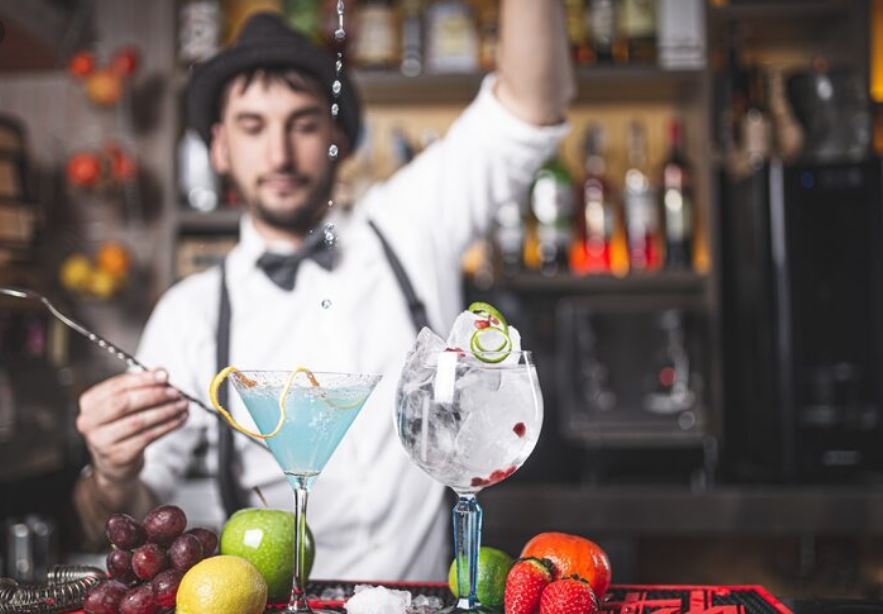
It’s simple to take the scene for granted when strolling through Soho on a weekday night, past the neon and the vintage theater marquees. The beverages show up. The music begins to play. In a language you don’t understand, someone laughs. However, a workforce with a greater linguistic diversity than most corporate boardrooms will ever witness lies behind that flawless experience. As they do it, they just so happen to be holding a cocktail shaker.
London Bilingualism's content on health, medicine, and weight loss is solely meant for general educational and informational purposes. This website does not offer any diagnosis, treatment recommendations, or medical advice.
We consistently compile and disseminate the most recent information, findings, and advancements from the medical, health, and weight loss sectors. When content contains opinions, commentary, or viewpoints from professionals, industry leaders, or other people, it is published exactly as it is and reflects those people's opinions rather than London Bilingualism's editorial stance.
We strongly advise all readers to consult a qualified medical professional before acting on any medical, health, dietary, or pharmaceutical information found on this website. Since every person's health situation is different, only a qualified healthcare provider who is familiar with your medical history can offer you advice that is suitable for you.
In a similar vein, any legal, regulatory, or compliance-related information found on this platform is provided solely for informational purposes and should not be used without first obtaining independent legal counsel from a licensed attorney.
You understand and agree that London Bilingualism, its editors, contributors, and affiliated parties are not responsible for any decisions made using the information on this website.
