

Situated on the outskirts of the Vale of White Horse, Faringdon is a market town in the kind of South Oxfordshire countryside that appears in glossy county living magazines, complete with undulating fields, historic stone structures, and a church tower that can be seen from the nearby hills. On the surface, secondary school performance doesn’t seem to be the kind of location that attracts a lot of national attention.
However, Faringdon Community College, the only secondary school in the town that serves students from eleven to eighteen, offers something worth carefully examining: a comprehensive school in a rural setting that has grown its enrollment to well above its previously listed capacity while maintaining a Good rating from Ofsted across every category in a recent two-day inspection involving five inspectors.
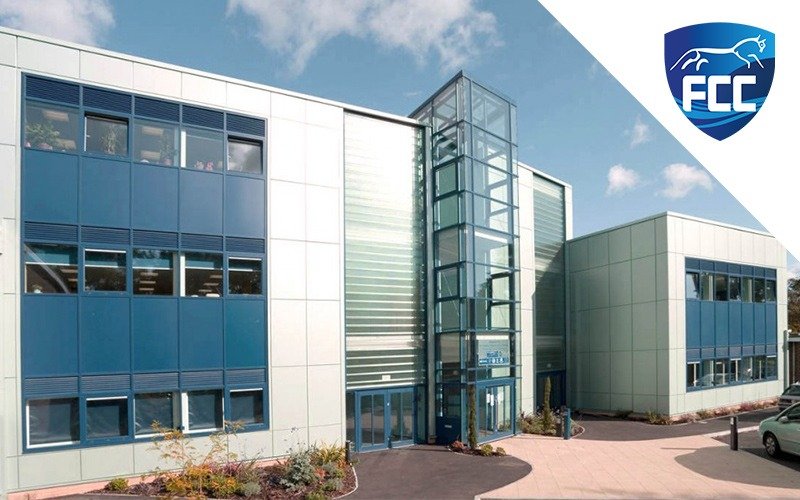
Since 1962, when it was still known as Tollington Secondary Modern School and the comprehensive revolution in English education was only a few years away, the school has been located on Fernham Road. In 2003, it changed its name to Faringdon Community College, reflecting a broader change in the institution’s positioning as a community resource that serves the entire spectrum of young people in its catchment rather than just a school for academic selection.
It joined the multi-academy Faringdon Learning Trust in 2012, together with the town’s junior and infant schools. Theoretically, vertical integration of schools within the same trust—from early childhood to A-levels—allows for more cohesive progression planning across the phases than would be feasible with completely separate schools.
The college’s engineering specialization sets it apart from the majority of rural comprehensives, which often concentrate their specialist status on sports or the performing arts. In a small market town without a close industrial employer base, engineering is a more difficult argument to make, but it does indicate a desire to link the school’s curriculum to technical and applied skills that have actual labor market significance, even for kids who choose not to attend college.
Although the specialization has been a part of the school’s identity long enough to be likely more than cosmetic, the evidence does not clearly show if it significantly influences outcomes for students who move into engineering-related fields after leaving.
The school expressed clear pleasure with the results of the May 2024 Ofsted inspection: “Good in every category, confirmed by a thorough inspection with five inspectors over two days.” The overall Good judgement is a reflection of school quality across multiple dimensions, not just raw exam results, as the published figures show that approximately 41% of students achieved grade 5 or above in both English and mathematics at GCSE.
This metric places the school roughly in line with national averages rather than above them. The primary study program completion percentage of 96.4% is the kind of figure that suggests a school where students remain enrolled and involved rather than leaving before earning credentials.
Faringdon Community College’s description of its values—kindness, hard effort, and loving school—has a subtle honesty to it. Just the fundamental agreement between a school and its community, not striving for greatness or producing exceptional results. difficult to dispute.
It’s also unknown how the Faringdon Learning Trust handles the resources that come with size or how the school handles the difficulties brought on by an enrollment that is currently higher than its nominal capacity. However, it is doing as expected for a rural comprehensive school in Oxfordshire that has been routinely awarded Good. That’s a big deal.
London Bilingualism's content on health, medicine, and weight loss is solely meant for general educational and informational purposes. This website does not offer any diagnosis, treatment recommendations, or medical advice.
We consistently compile and disseminate the most recent information, findings, and advancements from the medical, health, and weight loss sectors. When content contains opinions, commentary, or viewpoints from professionals, industry leaders, or other people, it is published exactly as it is and reflects those people's opinions rather than London Bilingualism's editorial stance.
We strongly advise all readers to consult a qualified medical professional before acting on any medical, health, dietary, or pharmaceutical information found on this website. Since every person's health situation is different, only a qualified healthcare provider who is familiar with your medical history can offer you advice that is suitable for you.
In a similar vein, any legal, regulatory, or compliance-related information found on this platform is provided solely for informational purposes and should not be used without first obtaining independent legal counsel from a licensed attorney.
You understand and agree that London Bilingualism, its editors, contributors, and affiliated parties are not responsible for any decisions made using the information on this website.
