

Near the counter, you’ll find a pamphlet, a laminated card, or a staff member who is happy to explain which strain helps with nightmares in practically every medical cannabis dispensary in a state where PTSD is recognized as a condition. There is typically complete faith in these suggestions. They are supported by far less scientific evidence.
A study that was published in the Lancet Psychiatry in March 2026 had the kind of subdued authority that tends to upend a calm discussion. Researchers were unable to find any solid proof that cannabis is an effective treatment for depression, anxiety, or PTSD. Not “limited evidence.” Not “mixed findings requiring further study.””No solid proof. That conclusion merits more attention than it has received for a medication that millions of veterans use to manage symptoms their doctors were unable to fully resolve and that sixteen states in the United States have now approved specifically as a PTSD treatment.
| Category | Details |
|---|---|
| Topic | Medical cannabis as a treatment for PTSD, anxiety, and depression — what the evidence shows |
| Key Publication | March 2026 study in Lancet Psychiatry — found no reliable evidence that cannabis effectively treats anxiety, PTSD, or depression |
| PTSD Prevalence (U.S.) | 12-month prevalence of 3.5% in general population; approximately 24% among veterans |
| Current First-Line Treatments | Psychotherapy (trauma-focused CBT) and pharmacotherapy with SSRIs or SNRIs — per VA/DoD guidelines |
| Pharmacotherapy Limitations | Remission rates from antidepressants are only 20%–30%; up to 9 patients must be treated for 1 to show a response |
| Cannabis Legal Status (U.S.) | Still classified federally as a Schedule I controlled substance — no accepted medical use at federal level |
| States Approving Cannabis for PTSD | 16 U.S. states have approved medical cannabis specifically for PTSD treatment |
| Key Risk: High-THC Products | High Δ9-THC cannabis is more likely to induce anxiety symptoms in treatment-naïve patients — the opposite of intended effect |
| Short-Term vs. Long-Term | Some users report short-term symptom relief; no studies confirm sustained long-term benefit for PTSD |
| Cannabis & Depression Risk | Adolescent cannabis users 1.37× more likely to develop depression; weekly users show higher rates than non-users |
| Cannabis Use Disorder (CUD) | Global CUD cases rose from 17.1 million (1990) to 23.8 million (2019); highest rates in North America and Australasia |
| FDA-Approved Cannabis Drugs | Only a handful approved: Epidiolex (CBD for epilepsy), Marinol/Syndros (dronabinol), Cesamet (nabilone) — none specifically for PTSD |
| Withdrawal Risk | Cannabis withdrawal syndrome is recognized in DSM-5 — symptoms include anxiety, depression, irritability, sleep disruption lasting 2–3 weeks |
It is easy to understand why cannabis appeals to trauma survivors, and it would be incorrect to discount the anecdotal evidence. Genuine relief is described by those who have endured years of nightmares, hypervigilance, and the unique weariness of a nervous system that never truly shuts down as a quieting, loosening, or a few hours of sleep that truly stick. That is a true experience. It’s unclear if cannabis is genuinely curing the condition or if it’s just managing the surface while the underlying wound continues to do what wounds do. Even though those two things seem the same on the inside, there is a significant difference between them.
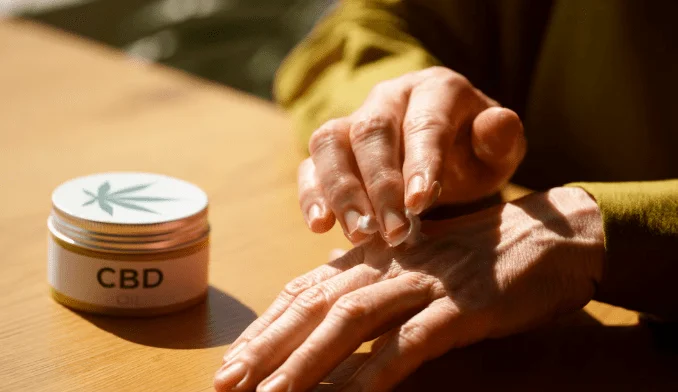
Part of the reason cannabis fills the void so easily is that the official PTSD treatment picture has its own uncomfortable limitations. The standard pharmacological option is antidepressants, mainly SSRIs and SNRIs, but the statistics are depressing: remission rates range from 20% to 30%, and research indicates that it may take up to nine patients to experience a significant improvement. Compared to civilians, combat veterans in particular typically exhibit even greater resistance to these drugs. Many people find that trauma-focused psychotherapy is more effective, but it is intensive, emotionally expensive, and not always available in the underserved and rural areas where veteran populations tend to congregate. Reaching for something that appears to help makes some desperate sense when the authorized options are operating at that rate.
On paper, the neuroscience of why cannabis seems helpful for PTSD makes sense. The brain’s endocannabinoid system, which has CB1 receptors spread throughout the hippocampus, prefrontal cortex, and amygdala—exactly the three areas most affected by trauma—possibly provides a means of alleviation. Fear reactions, intrusive memories, and the hyperarousal that makes daily life intolerable can all be reduced by stimulating those receptors. In certain patients, THC has been demonstrated to lessen the frequency of nightmares. Some cannabis users with PTSD report real symptom relief in short-term studies. It is not implausible in terms of biology. What comes next is the issue.
High-THC cannabis seems to exacerbate anxiety symptoms in patients who have never used it before, which is exactly the opposite of what most PTSD sufferers are looking for. Today’s products are significantly more potent than those that were available even fifteen years ago. Because there is a dose-dependent and variable relationship between THC concentration and anxiety, a product that relieves one person’s symptoms may subtly exacerbate another’s in ways that are easily explained by other factors.
Cannabis withdrawal, which is now officially recognized in the DSM-5, causes anxiety, depression, irritability, and sleep disruption that can last for two to three weeks. These symptoms are essentially indistinguishable from a PTSD flare, making it extremely difficult for patients to determine whether they are improving or cycling through a chemical dependency that mimics their illness.
As this debate develops, there’s a sense that both sides are acting more confidently than the evidence supports. The volume of patient testimonials and the shortcomings of current treatments are cited by proponents of medical cannabis in PTSD care. The Lancet and research demonstrating that cannabis use is linked to increased rates of depression, cognitive decline, and—especially in young users—an increased risk of developing anxiety disorders rather than alleviating them are cited by critics. These two statements can be true at the same time. The person who uses a cannabis product to finally fall asleep after years of insomnia is telling the truth. The researcher is also not lying if they find no evidence of therapeutic benefit at the population level.
The dispensary is undoubtedly not a psychiatric clinic, and an informed-sounding retail employee is not a replacement for the kind of individualized, closely monitored care that PTSD truly requires. The condition causes quantifiable changes to the brain, such as the hippocampus shrinking, the amygdala growing, and the prefrontal cortex’s capacity to control fear being blunted. Certain patients may benefit from cannabis in particular dosages under particular circumstances. For many others, it’s equally likely that it’s giving them the fleeting impression of treatment while something more serious remains untreated. As it stands, the evidence points to caution. As of right now, the culture is going in the opposite direction.
London Bilingualism's content on health, medicine, and weight loss is solely meant for general educational and informational purposes. This website does not offer any diagnosis, treatment recommendations, or medical advice.
We consistently compile and disseminate the most recent information, findings, and advancements from the medical, health, and weight loss sectors. When content contains opinions, commentary, or viewpoints from professionals, industry leaders, or other people, it is published exactly as it is and reflects those people's opinions rather than London Bilingualism's editorial stance.
We strongly advise all readers to consult a qualified medical professional before acting on any medical, health, dietary, or pharmaceutical information found on this website. Since every person's health situation is different, only a qualified healthcare provider who is familiar with your medical history can offer you advice that is suitable for you.
In a similar vein, any legal, regulatory, or compliance-related information found on this platform is provided solely for informational purposes and should not be used without first obtaining independent legal counsel from a licensed attorney.
You understand and agree that London Bilingualism, its editors, contributors, and affiliated parties are not responsible for any decisions made using the information on this website.
