

Anyone who has witnessed a loved one go through antidepressant therapy understands the unique frustration of the process. When a psychiatrist prescribes a medication, the patient waits four to six weeks to see if it works. If not, they try another medication, wait another month, change the dosage, and so on. This cycle, which can last for years, is more a reflection of how little is currently known about which patients will react to which medications and why than it is a medical failure. There might be an alternative beginning point, one that resides, of all places, in a stool sample, according to a study published in Molecular Psychiatry in late 2025.
Using data from over a thousand individuals with depression diagnoses across clinical sites in China and the UK, researchers at the NIHR Oxford Health Biomedical Research Centre discovered that the gut microbiome plays a quantifiably significant role in determining whether antidepressants are effective.
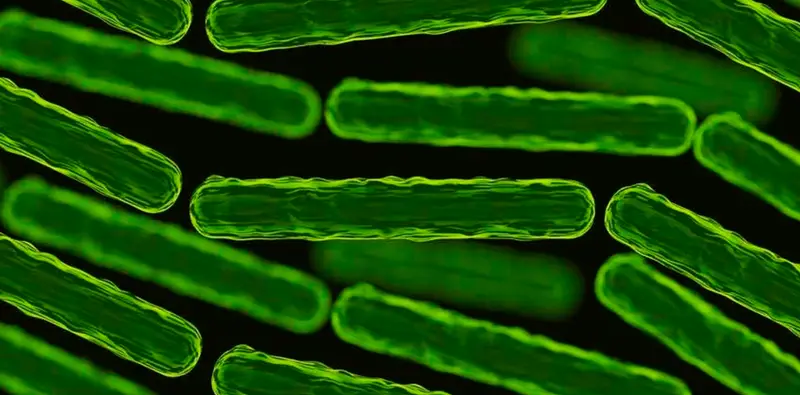
Through particular processes involving how gut bacteria chemically change drug molecules, absorb them before they can act, and produce their own compounds that interact with the same neurological systems that antidepressants are attempting to regulate, they play a direct role rather than a secondary or indirect one. Based on their effects, the team separated the bacteria into two groups: “Microhancers,” which seem to increase antidepressant activity, and “Microlencers,” which seem to decrease it. Although those names are new, the underlying biology they describe has been accumulating for years in the scientific literature.
Contrary to what one might think, the mechanism is more tangible. Prozac, Zoloft, and their chemical relatives are examples of selective serotonin reuptake inhibitors, which are still among the most widely prescribed psychiatric drugs worldwide. They function by blocking the brain’s reabsorption of serotonin, which increases the amount available to neural circuits involved in mood regulation. However, the gut produces about 90% of the body’s serotonin, and gut bacteria play a role in this process. The bacteria in the digestive system do not just leave an SSRI alone when it passes through the system and enters the bloodstream. Some break it down so that the brain receives less of it. Instead of releasing the medication into the bloodstream, some absorb it without metabolizing it, thereby storing it in bacterial cells. Others generate short-chain fatty acids, such as butyrate, which strengthen the intestinal barrier, lower intestinal inflammation, and seem to support the same neurotransmitter systems that antidepressants target externally.
An earlier study, which was published in Frontiers in Neuroscience in 2022, examined the baseline gut microbiome of first-episode, drug-naïve patients with major depressive disorder who had never taken antidepressants before. Before any medication was administered, the two groups of patients—those who later responded to treatment and those who did not—showed different microbial signatures. The baseline levels of Faecalibacterium, Agathobacter, and Roseburia—bacteria linked to butyrate production and anti-inflammatory activity—were generally higher in responders. Actinobacteria and certain families, such as Christensenellaceae and Eggerthellaceae, were found in higher concentrations in non-responders. Based on these baseline profiles, a machine learning classifier was able to identify which patients would experience remission with an area under the curve of 0.857, which is a measure of predictive accuracy. An AUC of 0.931 was obtained in a different study on the efficacy of SSRIs.
Gut Microbiome & Antidepressant Response: Key Facts & Reference
| Field | Details |
|---|---|
| Core Finding | Gut microbiome composition at baseline can predict antidepressant response before treatment begins |
| Key Oxford Study | “Mapping the reciprocal interactions between antidepressants and the gut microbiome” — published in Molecular Psychiatry (Dec 2025) |
| Oxford Study Scale | Over 1,000 participants diagnosed with depression; multiple clinical sites in China and UK |
| Key Terms Coined | “Microhancers” (bacteria that boost antidepressant effects) and “Microlencers” (bacteria that dull antidepressant effects) |
| Co-Author | Dr. Amedeo Minichino, Associate Professor, University of Oxford Department of Psychiatry; OH BRC Researcher |
| Key Responder Bacteria (Positive) | Higher baseline Faecalibacterium, Agathobacter, Roseburia — linked to positive treatment outcomes |
| Key Non-Responder Bacteria | Elevated Actinobacteria (phylum), Christensenellaceae, Eggerthellaceae, Adlercreutzia |
| Mechanisms | Biotransformation (bacteria chemically modify drugs); bioaccumulation (bacteria absorb drugs without breaking down); SCFA production; neurotransmitter synthesis |
| Effect on Drug Availability | Gut bacteria can break down, modify, or bioaccumulate SSRIs (sertraline, fluoxetine) before they reach the brain |
| Antidepressant Effect on Gut | Increase anti-inflammatory bacteria (Bifidobacterium); reduce pro-inflammatory (E. coli) |
| Pilot Study Accuracy (Geriatric Depression) | Random forest classifier AUC = 0.857 for predicting remission |
| SSRI Prediction Accuracy (Separate Study) | AUC = 0.931 |
| Nature/Translational Psychiatry Study (2025) | 106 antidepressant-naïve depressive patients + 151 healthy controls; identified 11 differential taxa; Depression Dysbiosis Index (DDI) developed |
| Current Non-Response Rate | 30–40% of MDD patients do not respond to antidepressant treatment |
| MDD Global Prevalence | ~4.4% globally; ~300 million people with depression worldwide |
| Future Clinical Application | Manipulating gut bacteria via diet/probiotics before starting medication as part of routine care |
| Current Limitation | Small study sizes; individual variability in microbiome; standardization challenges |
| Key Reference — Oxford/NIHR | New study reveals how gut bacteria influence antidepressant effectiveness — NIHR Oxford Health BRC |
| Key Reference — PMC (Frontiers) | Gut microbiome: A potential indicator for predicting treatment outcomes in MDD — PMC |
As this evidence mounts, there’s a sense that the field is working toward something truly beneficial, but it’s not quite there yet. While the Oxford study’s thousand-participant scale is noticeably larger, it still provides a snapshot of particular populations in particular settings. The majority of studies still have relatively small sample sizes, ranging from 43 to 126 patients in the earlier work. It is challenging to develop the kind of universal predictive profile that would be clinically useful at scale because microbiome composition varies greatly depending on diet, geography, age, antibiotic use, and dozens of other factors. The Depression Dysbiosis Index, a composite score that measures the overall imbalance in gut microbiota linked to depressive symptoms, was created by researchers from Taiwan’s National University Hospital in their 2025 study. It is precisely the kind of standardization tool the field needs, but before anyone can rely on it, it needs to be validated externally.
It’s worth considering what Dr. Amedeo Minichino of Oxford called the “longer-term vision,” which is that doctors may one day alter a patient’s gut microbiome before beginning antidepressant treatment through diet, targeted probiotics, or other interventions, changing the biological environment beforehand to increase the likelihood that the medication will actually work. This idea is not out of the ordinary. It is directly related to the mechanisms that the study is describing. Antidepressants are already being affected by the gut. Instead of merely observing its effects after the fact, the question is whether medicine can prevent that process.
How soon any of this transitions from research to clinical practice is still unknown. There is a substantial discrepancy between a promising AUC score in a journal article and a validated diagnostic tool that a psychiatrist orders in addition to blood work. This discrepancy is caused by standardization issues, regulatory pathways, and the sluggish accumulation of evidence across various populations. However, the data appears to be pointing in a different direction than previously suggested genetic testing methods, which have mostly fallen short of the promised precision. Unlike DNA, the gut does not carry static information. Because it is a living ecosystem, it is more difficult to study but may also be more responsive to focused intervention.
London Bilingualism's content on health, medicine, and weight loss is solely meant for general educational and informational purposes. This website does not offer any diagnosis, treatment recommendations, or medical advice.
We consistently compile and disseminate the most recent information, findings, and advancements from the medical, health, and weight loss sectors. When content contains opinions, commentary, or viewpoints from professionals, industry leaders, or other people, it is published exactly as it is and reflects those people's opinions rather than London Bilingualism's editorial stance.
We strongly advise all readers to consult a qualified medical professional before acting on any medical, health, dietary, or pharmaceutical information found on this website. Since every person's health situation is different, only a qualified healthcare provider who is familiar with your medical history can offer you advice that is suitable for you.
In a similar vein, any legal, regulatory, or compliance-related information found on this platform is provided solely for informational purposes and should not be used without first obtaining independent legal counsel from a licensed attorney.
You understand and agree that London Bilingualism, its editors, contributors, and affiliated parties are not responsible for any decisions made using the information on this website.
