

The majority of Ozempic or Wegovy users are concerned about their blood sugar, waist size, and possibly their heart. Their optic nerve is not on their minds. And that makes perfect sense for the great majority of users; according to European regulators, up to 1 in 10,000 patients may be affected by the ocular risks associated with GLP-1 medications. However, one in ten thousand is a figure worth considering in a nation where about 6% of adults currently take these drugs and where adoption is growing at a rate that has shocked even the pharmaceutical companies making them.
Non-arteritic anterior ischemic optic neuropathy, or NAION, is the condition that is currently the focus of clinical concern. The colloquial term for it is “eye stroke,” which encapsulates a key aspect of its nature: it can result in permanent partial or total vision loss in one eye, occur suddenly, and frequently cause no pain. The front part of the optic nerve receives less or no blood flow. The optic disc enlarges. Defects in the visual field appear, usually in the form of an altitudinal pattern, as though a shade has been drawn down over a portion of the field. It is possible for colors to look washed out. Most of the time, the vision loss does not go away. The patient can see normally when they go to sleep, but when they wake up, their world has changed in one eye, permanently, and frequently without any prior notice.
| Topic | GLP-1 Receptor Agonists and Ocular Complications — NAION and Vision Risk |
|---|---|
| Key GLP-1 Drugs Flagged | Semaglutide (Ozempic, Rybelsus, Wegovy); also concerns with tirzepatide (Mounjaro, Zepbound) |
| Primary Eye Condition | NAION — Non-Arteritic Anterior Ischemic Optic Neuropathy (“eye stroke”) — sudden, painless, often permanent vision loss in one eye |
| NAION Frequency | Very rare — affects up to 1 in 10,000 patients; ~2x increased risk vs. non-users (multiple large epidemiological studies) |
| Additional Risk | Worsening diabetic retinopathy; exacerbation of age-related macular degeneration; temporary blurred vision from blood sugar-driven lens changes |
| Regulatory Action (EMA) | June 6, 2025 — PRAC concluded NAION is a very rare side effect; recommended product information update for Ozempic, Rybelsus, Wegovy |
| Regulatory Action (UK MHRA) | February 5, 2026 — safety update issued; warned of potential NAION association |
| AOA Clinical Report | July 10, 2025 — “GLP-1 Receptor Agonists and Ocular Health: Guidance for Optometric Practice” — co-authored by Andrew Morgenstern, O.D. |
| AOA Report Spokesperson | Dr. Jacquie Bowen — President, American Optometric Association |
| High-Risk Patients | People with diabetes, hypertension, sleep apnea, pre-existing retinopathy, high HbA1c, crowded optic disc anatomy |
| Clinical Recommendation | Comprehensive dilated eye exam within 12 months before or within 1 month of starting GLP-1 therapy; annual follow-ups |
| Action if NAION Confirmed | Discontinue semaglutide immediately; consult full healthcare team |
| Reference Links | American Optometric Association – GLP-1 Receptor Agonists and Vision Risk / European Medicines Agency – PRAC Concludes NAION Is a Very Rare Side Effect of Semaglutide |
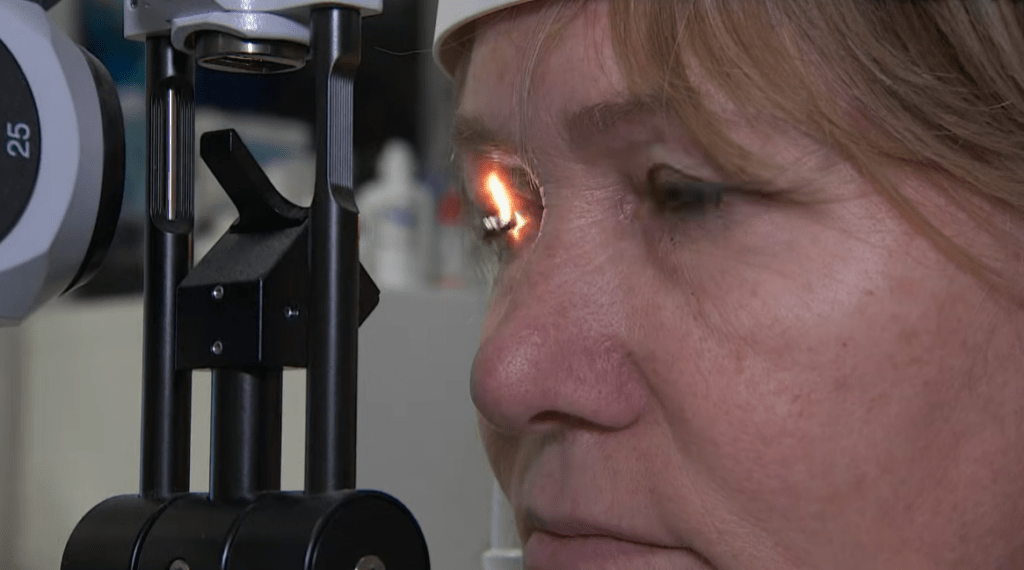
In response to new information on this front, the regulatory response has been measured but genuine. The safety committee of the European Medicines Agency determined in June 2025 that NAION is an extremely uncommon side effect of semaglutide, the active component of Ozempic, Rybelsus, and Wegovy, and suggested that product information be updated to reflect this finding. Data from several large epidemiological studies that suggested semaglutide use in adults with type 2 diabetes is linked to a roughly two-fold increased risk of developing NAION compared to those not taking the medication served as the foundation for that conclusion. In February 2026, the UK’s Medicines and Healthcare Products Regulatory Agency released its own safety report. The metabolic and cardiovascular benefits of semaglutide are still well-established, so neither regulator advised stopping the drug wholesale. However, they both made it clear that patients who experience abrupt changes in their vision while taking the medication should contact their doctor right away, and if NAION is confirmed, the medication should be stopped right away.
In July 2025, the American Optometric Association released a clinical report outlining the complete picture for practicing optometrists. Andrew Morgenstern, one of the report’s co-authors, provided some noteworthy framing. “There is a low risk of serious ocular side effects,” he said. However, a small risk of a large number is a significant risk. It’s a problem if it occurs to you. That math is honest but uncomfortable. Approximately 2,000 potential cases result from 20 million Americans using a medication that has a one-in-ten-thousand incidence of a particular rare condition. That is not an instance of mass casualties. It is also not insignificant, especially if the ailment in question results in permanent blindness.
We still don’t fully understand the mechanism underlying the association. According to the working theory, semaglutide’s quick drop in blood sugar causes vascular alterations that lower blood flow to the optic nerve, possibly in patients whose optic disc anatomy already puts them at risk. The strongest anatomical risk factor is thought to be a small cup-to-disc ratio, which is a tight arrangement of the optic nerve’s physical structure. The other risk factors are, somewhat inconveniently, the same conditions—diabetes, hypertension, high cholesterol, and sleep apnea—that often prompt patients to take GLP-1 medications in the first place. There is a significant overlap between the population most likely to be prescribed these drugs and the population most likely to develop NAION if the drug triggers it.
Observing this in clinical guidelines and regulatory updates gives the impression that the medical system is acting in the same way as it does when a widely used medication exhibits an emerging safety signal: carefully acknowledge the risk, calibrate the population most likely to be impacted, and issue guidelines focused on monitoring and early detection rather than contraindication. The American Optometric Association’s president, Dr. Jacquie Bowen, outlined the practical advice as follows: get a thorough eye exam before beginning GLP-1 therapy, follow up within a month of starting the medication, and report any abrupt changes in vision, even if they don’t cause pain or significantly impair daily function, without waiting to see if they go away on their own.
The final point is important. NAION doesn’t always make a dramatic announcement that would cause someone to call their doctor right away. It can appear subtly as a faint blur, a faint darkening in one part of the field of vision, or slightly strange colors. Sometimes people blame it on fatigue, screen time, or mild dry eye. The damage might already be done by the time someone is distressed enough to seek medical attention. The warning signs are difficult to reverse and simple to ignore.
The number of prescribers who regularly discuss ocular risks with patients beginning GLP-1 therapy or who make sure that a baseline eye exam is performed before starting treatment is still unknown. There is guidance. It is another matter entirely whether it reaches the patient in the examination room at the time the prescription is written.
